Listed buildings and heritage works
Living beautifully in a listed home – sympathetic design, listed building consent managed through to approval.
We design sympathetic alterations, extensions and renovations to listed homes, and manage listed building consent through to approval. We are ARB registered and RIBA chartered, with more than 20+ years of architectural practice experience and a record of heritage-sensitive design across Shropshire, Cheshire and North Wales.


What we do for listed homes
We design and deliver sympathetic works to listed homes, resolving how a historic building works for modern life while protecting what makes it special.
Where you want more room, see our house extensions page for the design side, or our remodelling page for reworking existing space.

Renovation
Repairing and reviving a historic home without eroding its character.

Extension
Adding space in a way that reads as of its own time and respects the original architecture.

Internal alterations
Reconfiguring rooms, services and layout for how people live now.

Repair
Careful, like-for-like work to keep the fabric sound.
What you can and cannot do to a listed building
You need listed building consent for any alteration, inside or out, that affects the building’s special architectural or historic interest. The listing protects the whole building, not just the front elevation, so internal work counts. This applies across Grade II, II* and I, with more scrutiny at the higher grades.
The line between the two is often a matter of judgement. For more information, see our listed building consent explained guide for the principles, and our listed building consent service page for the application itself.
Typically needs listed building consent
- ✓Replacing or altering windows and doors.
- ✓Structural or internal alterations, and extensions.
- ✓Removing or changing historic fixtures such as fireplaces, panelling or staircases.
Usually does not need listed building consent
- ✕Like-for-like repair using matching materials.
- ✕Redecoration.
- ✕Replacing a modern (non-historic) kitchen or bathroom.
Why obtaining listed building consent is crucial
Carrying out unauthorised works to a listed building is a criminal offence. The local authority can require the work to be reversed, and prosecution can follow.
We take the significance of the building as the starting point, so the design and the application stand up to scrutiny. Read more about the practice, or see our listed building consent service.

Designing sympathetically for a listed home
Sympathetic design starts from understanding what makes the building significant, then makes changes that are legible, reversible where possible, and that add comfort and light without eroding character. The aim is a home that works for modern life whilst still reading as the historic building that it is.
In practice that means early conversations with the conservation officer, and a heritage statement from a heritage consultant that sets out the building’s significance and justifies the design. For more information, see our architectural design service page, and our guide to sustainable and low-carbon design for sensitive retrofit and improving how an old building performs.

Our process, from significance to approval to completion
For more details on each stage, see our listed building consent service and pre-application advice pages, our guide on how to apply for listed building consent, and our building regulations page.
Understanding significance and the brief
We assess what matters about the building and what you want from it.
Sympathetic design
We develop initial design options that respect the building’s significance and respond to your brief.
Heritage statement and drawings
We prepare the drawings and coordinate the heritage consultant’s statement, which together make the case the authority needs to see.
Conservation-officer and pre-application engagement
We test the approach with the authority at the earliest opportunity.
Listed building consent (and planning where needed)
We prepare and manage the application.
Building regulations, tender and on site
We complete the building regulations submission, tender the works to appoint a contractor, then provide contract administration of the onsite works through to completion.
Why choose Base Architects for your listed building
Base Architects are a design-led practice with a record on listed and heritage projects, helping owners bring historic homes back to life. We understand how conservation teams across a wide range of local authorities approach heritage applications.
We call it honest architecture. On a listed home that means design that respects the building’s significance while making it work for you, and an honest read on what will and will not gain listed building consent. See our residential work, browse our projects, or read more about the practice.


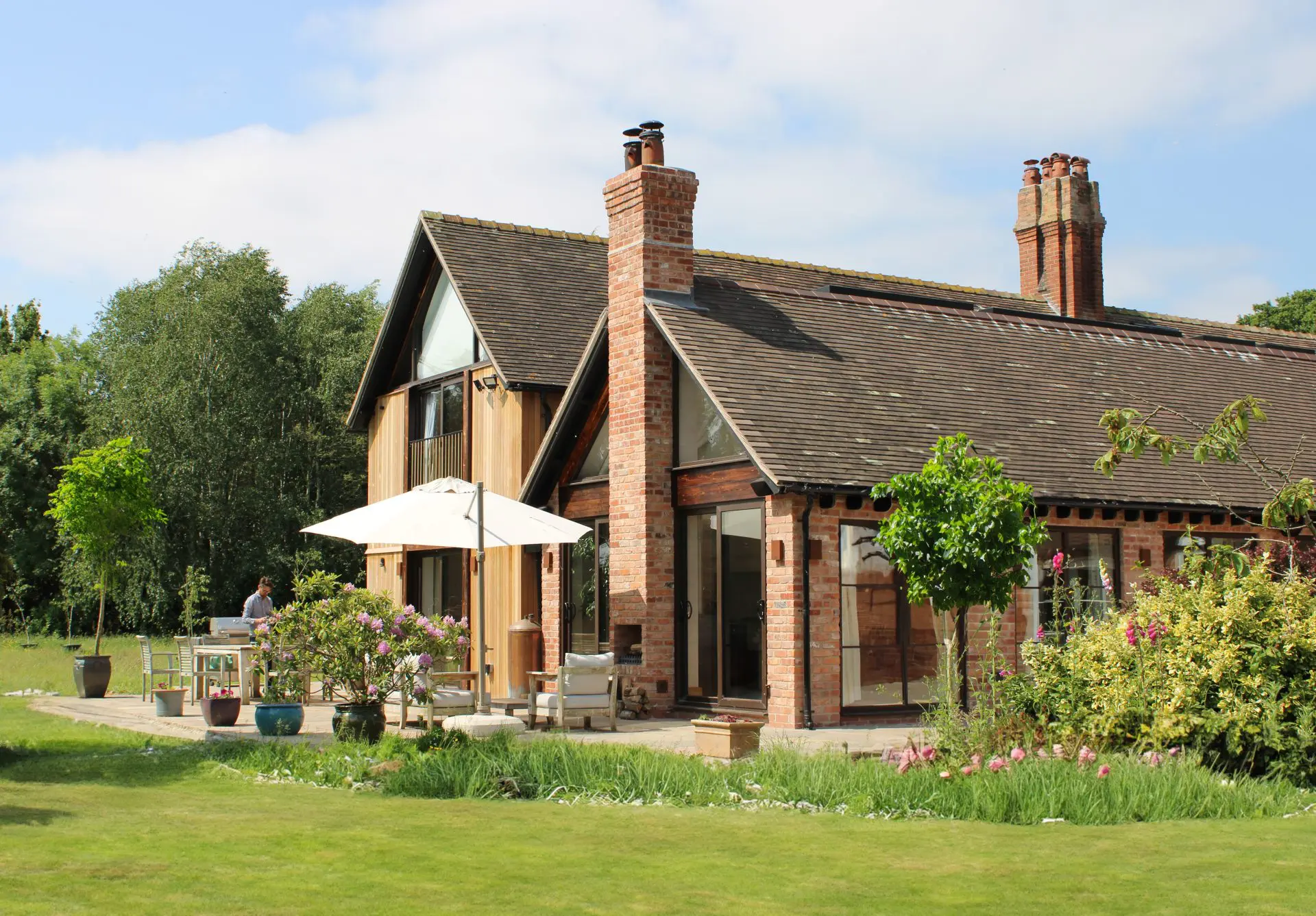


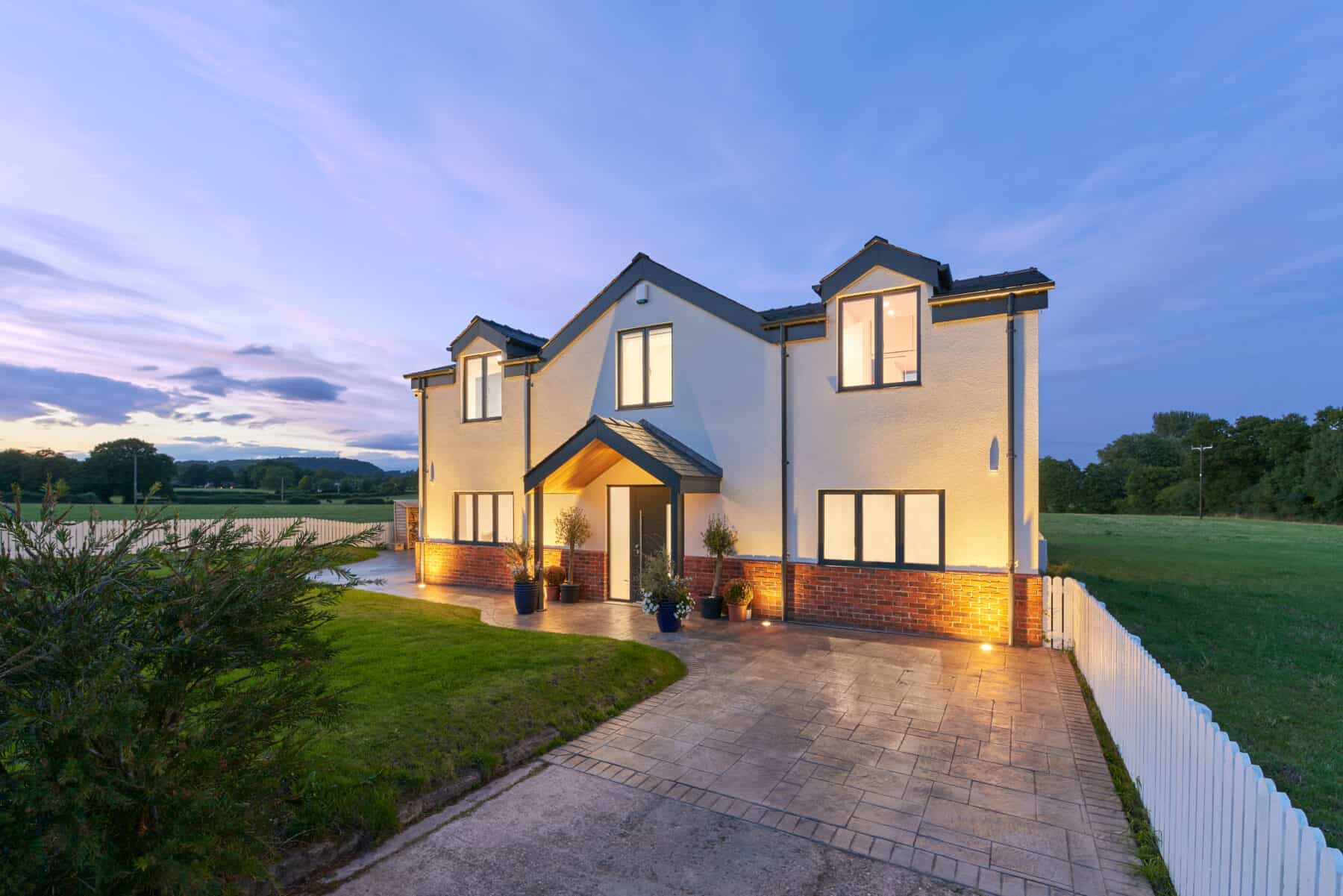


Start your listed building project
If you own, or are buying, a listed home and want to alter, extend or renovate it, the first step is a conversation about the building and what you want to do. We will give you an honest view. You can also see our listed building consent service, our residential work, or our projects.

Frequently asked questions
Yes, listed buildings can be altered and extended, but any work that affects the building’s special interest needs listed building consent, and the design has to be sympathetic. A well judged extension is often achievable with the right heritage-led approach.
Often, yes. The listing covers the interior as well as the exterior, so internal work that affects historic fabric or the building’s special interest, such as removing panelling or altering the layout, usually needs listed building consent. Like-for-like repair and redecoration generally do not.
Broadly, like-for-like repair, redecoration and replacing modern (non-historic) fittings. Anything that alters historic fabric or the building’s character needs listed building consent, and the same principle applies across Grade II, II* and I. If in doubt, check before you start.
No, they are two separate approvals, and a project can need both. Listed building consent deals with the effect on the building’s special interest; planning permission deals with the development itself. Our listed building consent service explains how the two work together.
Doing works without listed building consent is a criminal offence. The local authority can require the work to be reversed and prosecution can follow, so it is far safer to get advice and secure listed building consent first.